Why Modern Spice Processors Are Switching to Energy-Efficient Hammer Mills
If you’re running a spice processing facility, you’ve probably noticed that energy costs keep climbing while profit margins keep shrinking. You’re not alone in wondering whether there’s a better way to grind spices without breaking the bank on electricity bills.
The answer lies in understanding how modern hammer mill technology has evolved. Today’s hammer mill manufacturers in India and worldwide have developed machines that use significantly less energy while producing better quality ground spices. These aren’t incremental improvements—we’re talking about transformative changes that fundamentally alter your operational economics.
But here’s what really matters: these energy-efficient hammer mills typically pay for themselves through reduced operating costs. Most processors see positive returns within two years, sometimes even sooner depending on their production volume and local energy costs. The question isn’t whether you should upgrade, but rather which technology best suits your specific needs.
Key Takeaway: Start tracking your current energy consumption per ton of spices processed. This baseline data will help you evaluate potential savings from upgrading to energy-efficient equipment.
What Exactly Is a Hammer Mill and How Does It Process Spices?
Understanding the Basic Hammer Mill Working Principle
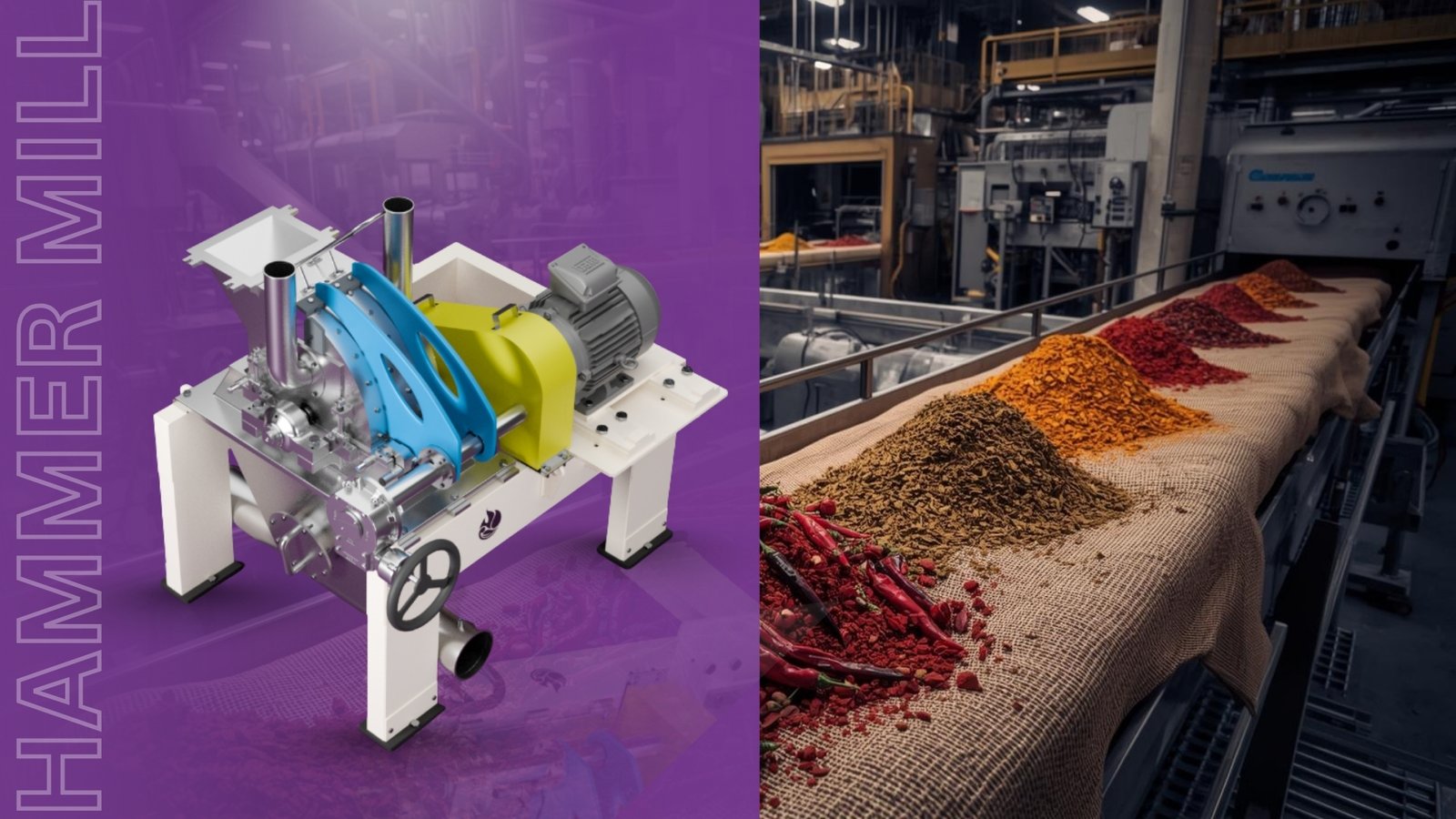
Think of a hammer mill as a high-speed impact crusher specifically designed for organic materials. At its core, the hammer mill working principle relies on repeated high-velocity impacts that shatter spice particles into progressively smaller pieces.
Here’s what happens inside: Your whole spices enter the grinding chamber where metal hammers attached to a spinning rotor strike them repeatedly. These hammers typically rotate at speeds ranging from moderate (for delicate spices) to extremely fast (for harder materials). The impact forces break down the cellular structure of spices, releasing flavors and aromas while creating uniform particle sizes.
The beauty of this grinding system lies in its simplicity and effectiveness. Unlike compression-based grinding methods that can generate excessive heat and damage delicate volatile oils, hammer mills provide rapid size reduction with minimal heat generation when properly operated. This preservation of essential oils makes hammer milling particularly valuable for aromatic spices like cardamom, cinnamon, and black pepper.
Key Takeaway: Monitor the temperature of your ground spices immediately after processing. If it exceeds room temperature by more than 10-15°C, you may need to adjust operational parameters to preserve quality.
How Is the Construction of Hammer Mill Optimized for Spices?
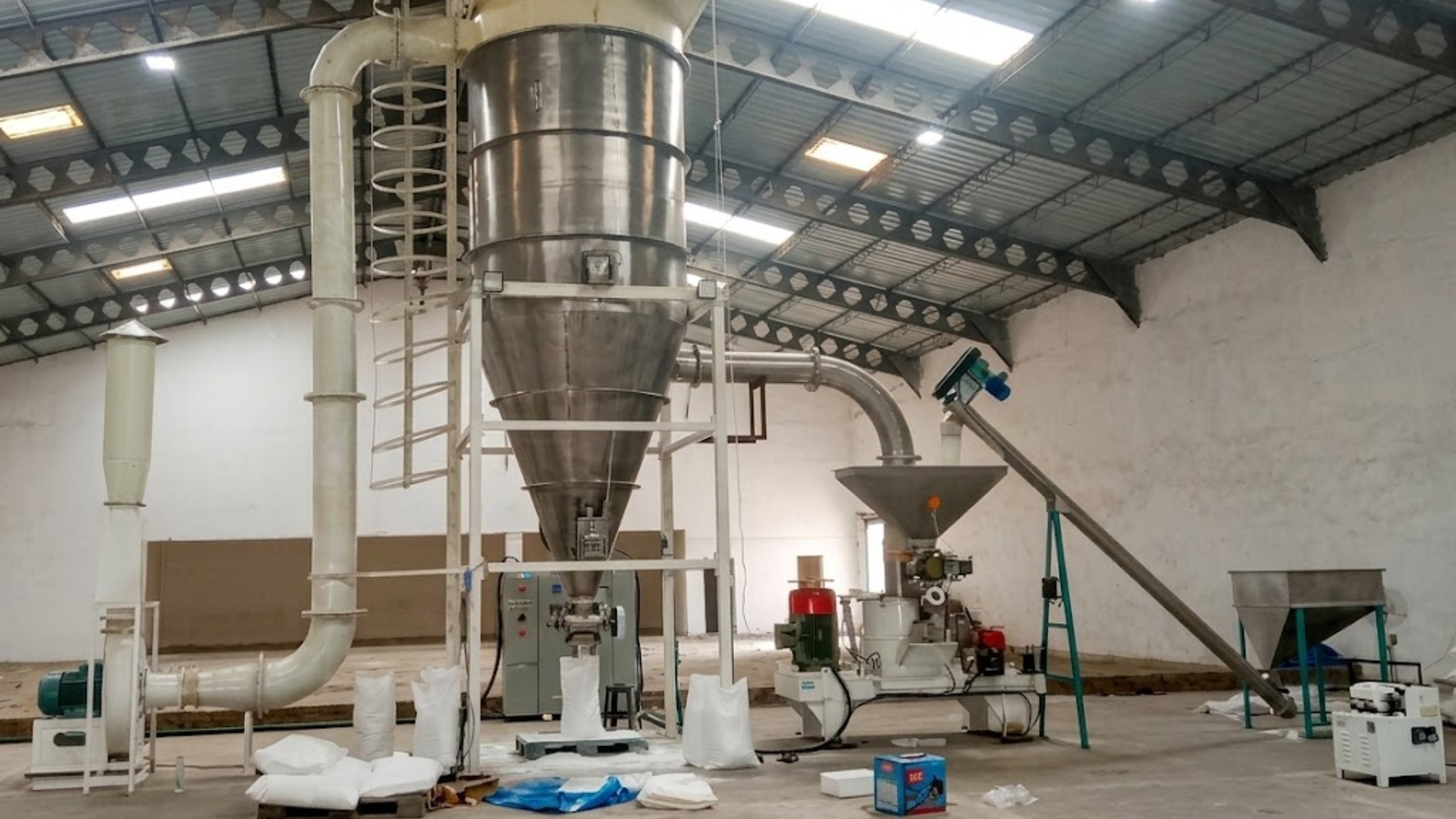
The construction of hammer mill systems for spice processing requires careful material selection and design consideration. You want components that can withstand the abrasive nature of certain spices while maintaining food-grade safety standards.
The grinding chamber typically features stainless steel construction for food contact surfaces, with specialized wear-resistant linings in high-impact zones. These linings significantly extend the service life of your equipment—often doubling or tripling the time between major overhauls.
The rotor assembly, which houses the hammers, must balance strength with weight to maintain efficiency while delivering necessary impact forces.
Modern designs from leading hammer mill crusher manufacturer India companies incorporate modular construction. This means you can replace worn sections without dismantling the entire machine. Smart design also includes easy-access doors for inspection and cleaning, reducing the time needed for routine maintenance and product changeovers.
Key Takeaway: When evaluating hammer mills, ask about the hardness rating of wear components and expected replacement intervals for your specific spice types. This information helps predict long-term maintenance costs.
Which Type of Hammer Mill Best Suits Your Spice Processing Needs?
Comparing Horizontal vs. Vertical Hammer Mill Configurations
The horizontal hammer mill dominates commercial spice processing, and there’s a good reason why. Its design allows for better material flow control and more uniform grinding action. The horizontal shaft configuration also provides easier access for maintenance and screen changes, critical factors when processing multiple spice varieties.
Horizontal mills excel at continuous operation and handle varying feed rates more gracefully than vertical designs. They’re particularly effective for spices that tend to clump or have varying moisture content. The side-mounted motor configuration also allows for more flexible installation options in existing facilities where headroom might be limited.
Vertical hammer mills serve specific niches where floor space is at a premium. While they generally require more power for the same throughput, they offer advantages in gravity-assisted feeding and compact footprint. Some processors find them ideal for dedicated lines processing single spice types where changeovers are rare.
Key Takeaway: Unless space constraints force otherwise, horizontal hammer mills typically offer better flexibility and efficiency for multi-product spice processing operations.
What Are the Key Advantages of Hammer Milling for Spice Processing?
The advantages of hammer milling extend well beyond simple size reduction. First and foremost, hammer mills preserve the integrity of heat-sensitive compounds in spices. When properly operated with adequate airflow, the grinding process happens so quickly that heat buildup remains minimal.
Versatility stands out as another major advantage. A single hammer mill can process everything from soft leafy herbs to rock-hard nutmeg, simply by adjusting operating parameters and screen sizes. This flexibility eliminates the need for multiple specialized machines, reducing both capital investment and floor space requirements.
Perhaps most importantly for food processors, hammer mills offer complete containment during operation. This enclosed processing prevents contamination, reduces dust emissions, and maintains the hygiene standards required for food production. Modern units from reputable hammer mill manufacturer & supplier companies include features like magnetic separators and pneumatic conveying that further enhance food safety.
Key Takeaway: Calculate the cost of purchasing separate equipment for each spice type versus one versatile hammer mill. The savings often justify investing in a higher-quality, more flexible unit.
How Can You Reduce Energy Consumption in Hammer Mill Operations?
What Operational Parameters Have the Biggest Impact on Energy Use?
Your feed rate directly determines energy efficiency. Running a hammer mill at optimal capacity—typically around 80-90% of maximum—minimizes the energy required per kilogram of processed spice. Too slow, and you waste energy keeping the rotor spinning without productive work. Too fast, and you risk overloading the motor and creating inconsistent particle sizes.
Moisture content plays a crucial but often overlooked role. Spices with moisture content outside the optimal range require more energy to grind effectively. Generally, most spices grind best at moderate moisture levels. Too dry, and they become dusty and difficult to control. Too wet, and they clog screens and require excessive grinding time.
Screen selection dramatically affects energy consumption. Using a finer screen than necessary wastes energy creating particles smaller than required. For instance, if your application works perfectly with 1.5mm particles, using a 1mm screen unnecessarily increases energy consumption without adding value.
Key Takeaway: Conduct particle size analysis on your finished products to determine if you’re over-grinding. Even slightly larger particles that still meet specifications can yield significant energy savings.
Which Design Features Make Modern Hammer Mills More Energy Efficient?
Variable frequency drives (VFDs) revolutionize hammer mill efficiency. These systems adjust rotor speed based on the specific spice being processed and desired particle size. Softer spices might need only half the speed used for harder materials, translating directly into energy savings.
Optimized hammer patterns and rotor designs minimize air resistance while maximizing impact efficiency. Hammer mills manufacturers in India now use computer modeling to design rotor configurations that reduce parasitic energy losses from air turbulence. These improved designs achieve the same grinding results with less power input.
Air assist systems, when properly implemented, reduce the mechanical energy needed for fine grinding. By introducing controlled airflow into the grinding chamber, processors achieve target particle sizes faster and with less mechanical work. This proves especially valuable for lightweight spices that benefit from pneumatic classification.
Key Takeaway: When evaluating new equipment, request specific energy consumption data (kWh per ton) for your exact spice types and particle size requirements, not just general specifications.
How Do You Select the Right Hammer Mill for Your Facility?
What Size and Capacity Hammer Mill Do You Actually Need?
Start by calculating your actual throughput requirements, not your aspirational ones. Look at your production data from the past year: what’s your average daily volume, and what are your peak demands? A properly sized hammer mill should handle your peak requirements at about 80% capacity, leaving room for growth without oversizing.
Consider batch versus continuous operation needs. If you process multiple spice varieties with frequent changeovers, a smaller, more nimble unit might serve better than a large-capacity mill that takes longer to clean. Conversely, if you run single products for extended periods, a larger continuous-feed system maximizes efficiency.
Don’t forget about future growth, but be realistic. Buying a hammer mill with double your current capacity “for future expansion” often means running inefficiently for years. Many hammer mill manufacturer & supplier companies offer modular designs that allow capacity expansion when actually needed.
Key Takeaway: Calculate your return on investment based on current production levels, then model scenarios for growth. This prevents both under-buying and costly over-investment.
Which Features Ensure Reliable Long-Term Performance?
Build quality starts with the frame and housing. Look for robust welded construction rather than bolted assemblies that can loosen over time. The grinding chamber should feature replaceable wear liners—replacing a liner costs far less than replacing an entire chamber.
Bearing quality determines reliability more than any other component. Industrial-grade bearings with proper sealing and lubrication systems prevent the majority of unexpected failures. Temperature monitoring on bearings provides early warning of problems, allowing planned maintenance rather than emergency repairs.
Ease of maintenance directly impacts your total cost of ownership. Features like hinged access doors, slide-out screen frames, and quick-change hammer sets reduce downtime during routine maintenance. When evaluating options from various hammer mills manufacturers in India, compare the time required for common maintenance tasks.
Key Takeaway: Request a detailed maintenance schedule and associated time requirements for each task. This reveals the true operational demands of different models.
What Are the Best Operating Practices for Different Spice Types?
How Do You Optimize Settings for Hard vs. Soft Spices?
Hard spices like black pepper, coriander, and cinnamon require aggressive grinding parameters. Higher rotor speeds generate the impact forces needed to fracture these tough materials efficiently. You’ll typically run these at maximum or near-maximum speeds with smaller screen apertures to achieve desired fineness.
Soft, oily spices need a gentler approach. Materials like nutmeg, cloves, and star anise can release excessive oils or generate heat if processed too aggressively. Reduce rotor speeds, use larger initial screen sizes, and consider cryogenic cooling for extremely heat-sensitive materials. The goal is achieving target particle size without extracting or damaging volatile compounds.
Fibrous spices present unique challenges. Ginger, turmeric, and galangal tend to create long fibers that can wrap around hammers or clog screens. For these materials, use hammers with cutting edges rather than blunt impact surfaces, and ensure adequate airflow to continuously clear fibers from the grinding zone.
Key Takeaway: Create a processing parameter chart for each spice variety you handle. Document optimal speeds, screen sizes, and feed rates to ensure consistency across operators and shifts.
What’s the Most Efficient Cleaning Protocol Between Different Spices?
The cleaning method depends on contamination risk between products. When switching between compatible spices—say, from black pepper to white pepper—a simple dry cleaning with compressed air suffices. This takes minutes rather than hours and maintains production efficiency.
For allergen-containing spices or when switching between strongly flavored varieties, wet cleaning becomes necessary. Develop a systematic approach: first dry clean to remove bulk material, then disassemble key components, wet clean with appropriate solutions, rinse, dry, and reassemble. Modern hammer mill designs with smooth surfaces and minimal crevices reduce cleaning time significantly.
Validation ensures cleaning effectiveness. Whether using visual inspection, ATP testing, or specific allergen tests, establish clear acceptance criteria. Document each cleaning cycle, including who performed it, what method was used, and verification results. This documentation proves invaluable during audits and helps identify opportunities for protocol improvement.
Key Takeaway: Time your current cleaning procedures and identify the longest steps. Often, simple modifications like better access panels or dedicated cleaning tools can cut cleaning time substantially.
How Do You Maintain a Hammer Mill for Maximum Lifespan?
When Should You Replace Hammers, Screens, and Other Wear Parts?
Hammers typically need replacement after processing several hundred tons of spices, but the exact interval depends on what you’re grinding. Abrasive spices like turmeric wear hammers faster than soft herbs. Monitor hammer weight—when they lose about a quarter of their original mass, replacement time has arrived.
Screens generally last longer than hammers if properly maintained. Watch for enlarged holes, which indicate wear, and uneven patterns suggesting operational issues. A worn screen doesn’t just affect product quality; it also increases energy consumption as the mill works harder to achieve target particle sizes.
Bearings, when properly maintained, should last several years. However, contamination from spice dust can accelerate wear. Regular vibration monitoring catches bearing problems months before failure, allowing scheduled replacement during planned downtime rather than emergency repairs.
Key Takeaway: Establish a wear parts inventory based on historical replacement rates. Having critical spares on hand prevents extended downtime when replacements are needed.
What Preventive Maintenance Schedule Maximizes Equipment Life?
Daily maintenance takes minutes but prevents major problems. Check belt tension, listen for unusual sounds, and verify that temperature readings stay within normal ranges. These simple observations catch developing issues before they cause failures.
Weekly tasks focus on lubrication and cleaning. Grease bearings according to manufacturer specifications—over-lubrication causes as many problems as under-lubrication. Clean or replace air filters to maintain proper airflow. Inspect and clean screens to prevent buildup that reduces efficiency.
Monthly inspections go deeper. Check hammer wear patterns, measure screen apertures, and test safety systems. Document all findings to identify trends. If hammer wear suddenly accelerates, investigate whether you’re processing more abrasive materials or if operational parameters have changed.
Key Takeaway: Create maintenance checklists that technicians must sign and date. This ensures consistency and provides documentation for troubleshooting recurring issues.
What Return on Investment Can You Expect from Energy-Efficient Hammer Mills?
How Do Energy Savings Translate into Real Financial Benefits?
Energy-efficient hammer mills reduce electricity consumption through multiple mechanisms. VFDs allow speed optimization for different products. Improved rotor designs minimize parasitic losses. Better screen designs reduce grinding time. Combined, these improvements typically cut energy use by a quarter to a third.
Calculate your potential savings by analyzing current energy costs. If you’re processing 50 tons monthly and paying typical industrial electricity rates, even modest efficiency improvements yield meaningful savings. Remember that energy prices generally trend upward, making efficiency investments increasingly valuable over time.
Beyond direct energy savings, consider productivity gains. Efficient mills often provide higher throughput, better particle size consistency, and reduced heat generation. These improvements can allow premium pricing for superior product quality, adding revenue alongside cost reduction.
Key Takeaway: Request energy consumption guarantees from equipment suppliers for your specific products and particle sizes. Reputable manufacturers will provide performance commitments.
What Hidden Costs Should You Consider in Your ROI Calculation?
Installation costs extend beyond simply placing the equipment. Consider electrical upgrades for VFD systems, compressed air for cleaning systems, and potential building modifications. These costs, while necessary, affect your payback period and should factor into equipment selection.
Training ensures you capture efficiency benefits. Operators need to understand how to optimize settings for different products. Maintenance staff must learn new procedures. Without proper training, even the most efficient equipment underperforms.
Downtime during changeover requires planning. Installing new equipment might require several days of production interruption. Schedule installation during slow periods or maintain temporary processing capability to minimize revenue impact.
Key Takeaway: Develop a comprehensive project budget including all auxiliary costs. This realistic view prevents surprises and ensures accurate ROI projections.
What Future Developments Will Impact Hammer Mill Technology?
How Will Automation and AI Change Spice Grinding Operations?
Smart hammer mills are already emerging from development labs. These systems use artificial intelligence to continuously optimize operating parameters based on real-time feedback. The mill learns the characteristics of each spice and automatically adjusts to maintain optimal efficiency.
Predictive maintenance will become standard rather than exceptional. By monitoring vibration patterns, temperature trends, and power consumption, AI systems predict component failures weeks in advance. This allows perfectly timed maintenance that maximizes component life while preventing unexpected failures.
Integration with broader factory systems streamlines operations. Your hammer mill will communicate with upstream and downstream equipment, automatically adjusting to variations in feed rate or product requirements. This coordination minimizes energy waste from mismatched processing speeds.
Key Takeaway: When selecting new equipment, consider upgrade paths for smart technology. Even if you don’t need these features today, having the option for future upgrades protects your investment.
What Sustainability Requirements Will Shape Future Equipment Choices?
Carbon footprint reporting is transitioning from voluntary to mandatory in many markets. Energy-efficient hammer mills help meet reduction targets while potentially qualifying for green financing or tax incentives. Document your efficiency improvements to capitalize on these opportunities.
Circular economy principles increasingly influence equipment design. Manufacturers now consider end-of-life recycling during initial design. Modular construction allows component refurbishment rather than replacement. These approaches reduce long-term costs while meeting sustainability goals.
Food safety requirements continue evolving globally. Next-generation hammer mills will likely include real-time contamination detection, automated cleaning validation, and blockchain-enabled traceability. Preparing for these requirements now prevents costly retrofits later.
Key Takeaway: Engage with equipment manufacturers about their sustainability roadmap. Choose partners committed to long-term environmental responsibility, as they’re more likely to support your evolving needs.
Conclusion: Your Action Plan for Implementing Energy-Efficient Hammer Mill Technology
Success in modern spice processing requires more than just grinding equipment—it demands a strategic approach to efficiency, quality, and sustainability. The hammer mill technology available today offers remarkable improvements over systems from even five years ago.
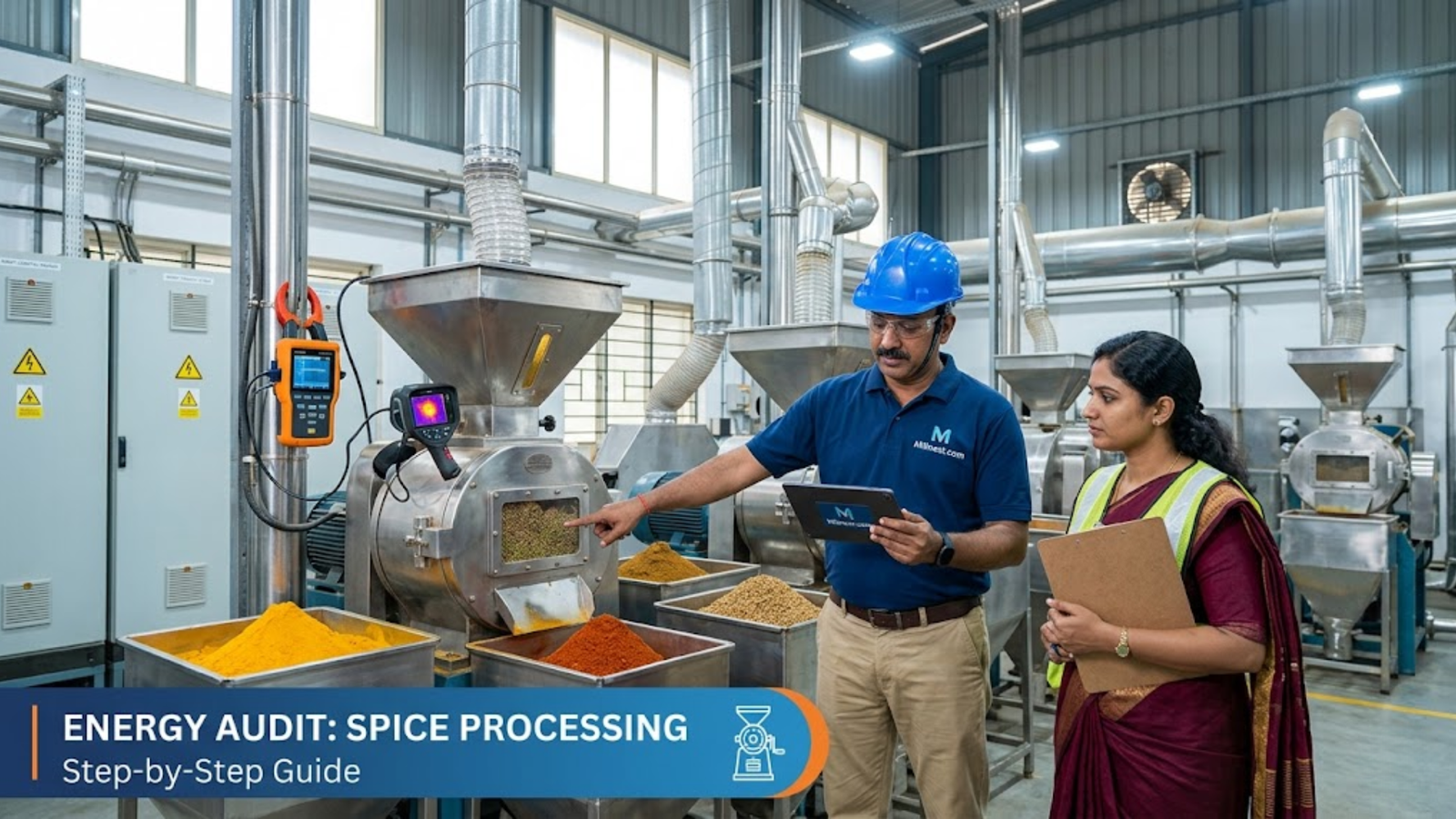
Start your journey by assessing your current operations. How much energy do you use per ton of processed spices? What quality issues do you face? Where does downtime hurt most? These baseline measurements guide your improvement priorities.
Next, engage with reputable hammer mill manufacturers in India and globally to explore your options. Don’t just compare prices—evaluate total value including energy efficiency, reliability, maintenance requirements, and vendor support. Request customer references and, if possible, visit operating installations.
Remember that the best hammer mill for food industry applications balances multiple factors. Energy efficiency drives operational savings. Reliability ensures consistent production. Flexibility accommodates market changes. Quality output commands premium prices.
- Take action today with these specific steps:
- Audit your current grinding system’s energy consumption
- Document quality issues and their frequency
- Calculate the true cost of downtime and maintenance
- Set clear goals for improvement
- Develop an implementation timeline with milestones
The spice processing industry continues evolving, and staying competitive requires embracing efficiency improvements. By understanding and implementing modern hammer mill technology, you position your operation for sustained success in an increasingly demanding market.
Your investment in energy-efficient grinding technology isn’t just about reducing costs—it’s about building a sustainable, profitable operation that can adapt to future challenges.
Knowledge without action achieves nothing. This guide provides the roadmap. Your success depends on taking the first step. That step starts now.
The future belongs to efficient processors. Make sure you’re among them.