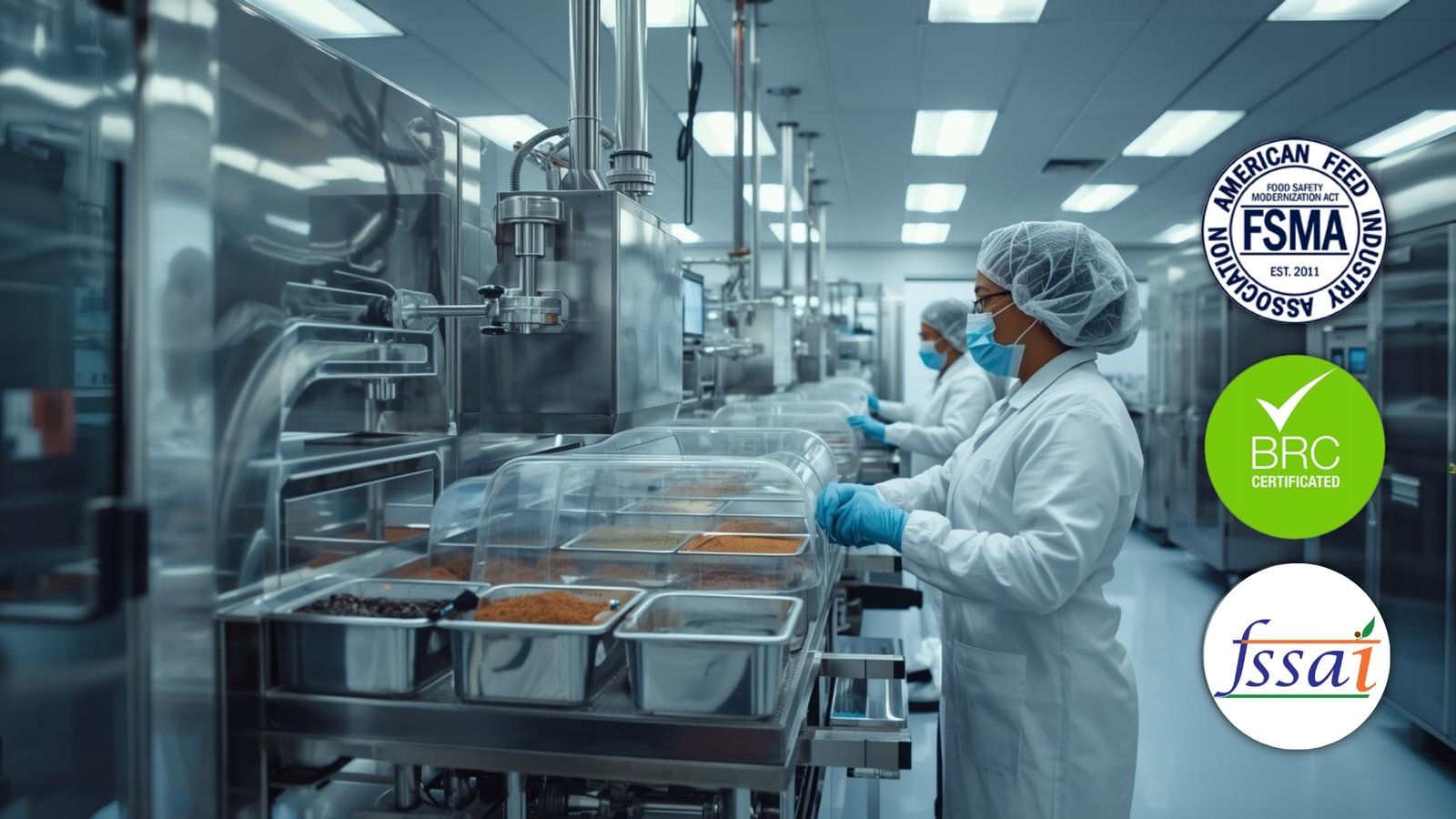
Why Contamination Control Defines Modern Spice Processing Success
Picture this: One batch of contaminated product, and years of reputation vanish overnight. Sound dramatic? Ask any processor who’s faced a recall.
The spice industry operates under intense scrutiny. Global buyers demand certifications. Regulators inspect regularly. Consumers expect absolute safety. Yet many facilities still rely on outdated approaches that leave contamination risks unaddressed.
Here’s what’s changing the game: cross-contamination free food machinery designed specifically for multi-product operations. Modern processors aren’t just buying equipment—they’re building integrated systems where every component works together to prevent contamination. From intake to packaging, each step reinforces food safety.
The transformation extends beyond new installations. Progressive companies leverage refurbished grinding mill India options and mill retrofit services India to upgrade existing facilities without complete replacement. Smart investments in the right areas deliver contamination control that satisfies the strictest auditors.
Your Next Step: Map contamination risks in your current facility. Where do products cross paths? Which transitions pose the highest risk? This assessment guides your improvement priorities.
Building Your Foundation: Essential Equipment for Contamination Prevention
Selecting Hygienic Processing Machinery That Exceeds Standards
The heart of contamination control starts with hygienic spice processing machinery selection. But what separates truly hygienic equipment from marketing claims?
Surface finish matters enormously. Smooth, crevice-free designs prevent material buildup where bacteria thrive. Look for electropolished stainless steel with Ra values below 0.8 micrometers. These surfaces clean faster and more completely than standard finishes.
Seal integrity prevents cross-contamination between batches. Modern food safety compliant processing equipment features FDA-approved seals rated for your specific temperature and pressure conditions. Double-sealed bearings with food-grade lubricants eliminate contamination paths that compromise many older designs.
Companies like MillNest understand these critical details. Their equipment designs reflect decades of experience helping processors achieve and maintain food safety certifications. Whether supplying new systems or certified refurbished food processing equipment, they ensure every unit meets current hygiene standards.
Your Next Step: Audit existing equipment for contamination risks. Pay special attention to seals, gaskets, and any areas where product might accumulate.
Strategic Equipment Placement for Contamination Control
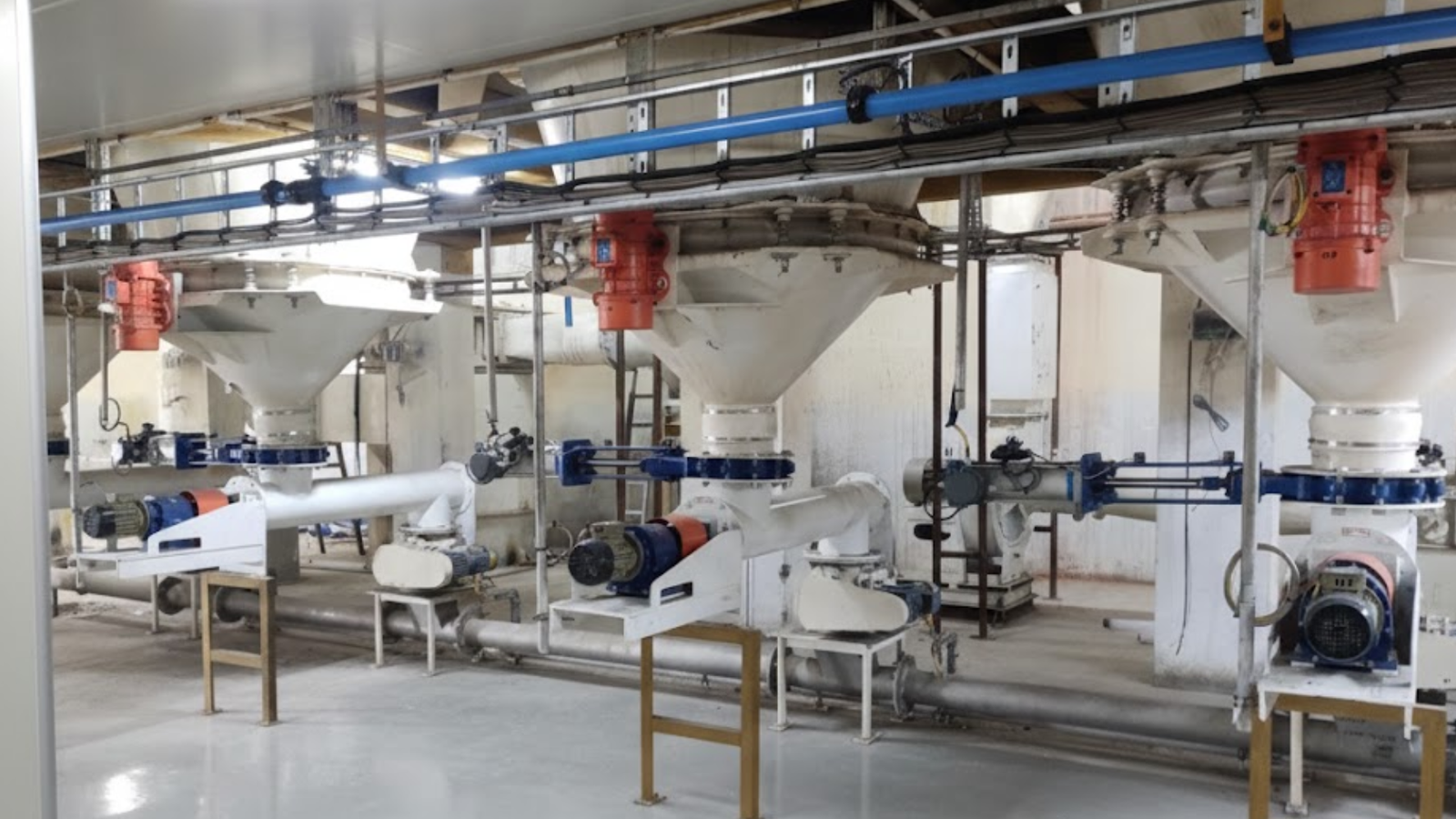
Your spice processing plant equipment layout either prevents or promotes contamination. Strategic placement creates natural barriers between incompatible products.
Allergen-containing spices need dedicated zones. Physical separation prevents airborne cross-contamination. Dedicated equipment eliminates the risk entirely, but when that’s not feasible, careful scheduling and validated cleaning protocols provide protection.
Air handling systems deserve special attention. Positive pressure in packaging areas prevents contamination ingress. HEPA filtration removes airborne particles. Proper airflow patterns prevent cross-contamination between processing zones. These invisible systems often determine contamination control success.
Material flow should be linear—raw materials enter one end, finished products exit the other. This simple principle prevents processed products from contacting raw materials. When linear flow isn’t possible, temporal separation (processing at different times) provides an alternative.
Your Next Step: Create a contamination risk heat map of your facility. Color-code areas by risk level to identify where improvements deliver maximum impact.
Advanced Design Strategies for Multi-Product Facilities
How Modern Plants Handle Diverse Products Safely
Multi-product facilities face unique challenges. Today’s order might be turmeric. Tomorrow’s could be allergen-containing sesame. Cross-contamination free food machinery alone isn’t enough—you need systematic approaches.
Modular processing lines offer flexibility with control. Quick-disconnect fittings enable rapid reconfiguration. Portable equipment moves between dedicated zones. This approach balances efficiency with contamination prevention.
Cleaning validation becomes critical between products. ATP testing provides rapid verification. Allergen-specific tests confirm complete removal. Documentation proves your controls work. Modern facilities build these validations into standard procedures, not special events.
The grinding mill buy back program offered by forward-thinking suppliers helps facilities upgrade to more flexible equipment. Trading older, difficult-to-clean units for modern designs improves both efficiency and food safety. Programs like MillNest Originals’ old mill exchange offer make these upgrades financially feasible.
Your Next Step: Categorize your products by contamination risk. Group compatible products to minimize changeover requirements and contamination potential.
Integrating Automation for Consistent Contamination Control
Automation removes human variability from contamination control. Consistent procedures. Documented execution. Traceable results.
CIP (Clean-in-Place) systems deliver validated cleaning without disassembly. Pre-programmed cycles ensure thorough cleaning. Automated verification confirms effectiveness. These systems pay for themselves through reduced labor and improved consistency.
Product routing automation prevents mix-ups. Pneumatic conveying with dedicated lines for different products. Automated valve manifolds that physically prevent incorrect routing. These systems make contamination from operator error nearly impossible.
Digital documentation creates unbreakable audit trails. Every cleaning cycle logged. Every product change recorded. Every verification documented. This transparency builds customer confidence and simplifies audits.
Your Next Step: Identify manual processes with highest contamination risk. Prioritize these for automation to achieve maximum risk reduction.
Compliance Navigation: Meeting and Exceeding Food Safety Standards
Understanding Global Food Safety Requirements
Food safety compliant processing equipment must meet various standards depending on your markets. FSMA, BRC, FSSAI—each has specific requirements.
Equipment design standards focus on cleanability and inspection access. Sloped surfaces promote drainage. Hinged covers enable thorough inspection. These features aren’t optional—they’re required for certification.
Documentation requirements extend beyond equipment specifications. You need installation qualification (IQ), operational qualification (OQ), and performance qualification (PQ) documents. Suppliers experienced in food processing understand these needs. Companies offering preventive maintenance contract food equipment typically provide comprehensive documentation packages.
Validation protocols prove your processes work. Not just once, but consistently. This includes cleaning validation, allergen changeover studies, and microbial testing. Building these into routine operations rather than treating them as special projects ensures ongoing compliance.
Your Next Step: Map your current certifications against target market requirements. Identify gaps early to plan systematic improvements.
Building Quality Systems That Prevent Contamination
Quality systems transform good intentions into consistent results. Your hygienic spice processing machinery provides capability. Systems ensure execution.
HACCP plans identify critical control points. Where can contamination occur? What prevents it? How do you verify prevention? These plans guide daily operations and continuous improvement.
Supplier qualification ensures incoming materials don’t introduce contamination. This extends to equipment suppliers too. Partners offering AMC for grinding mills should demonstrate their own quality systems. Their maintenance practices directly impact your food safety.
Training programs ensure everyone understands their role in contamination prevention. From operators to maintenance technicians, each person impacts food safety. Regular refreshers maintain awareness. Competency testing verifies understanding.
Your Next Step: Review your quality system for contamination control gaps. Focus on areas where procedures exist but execution varies.
Maintenance Excellence: Sustaining Contamination-Free Operations
Preventive Maintenance That Protects Food Safety
Equipment deterioration creates contamination risks. Worn seals leak. Damaged surfaces harbor bacteria. Loose components shed particles. Preventive maintenance contract food equipment addresses these risks systematically.
Scheduled inspections catch problems early. That small seal tear becomes a contamination path if ignored. The slight surface pitting grows into a cleaning nightmare. Early detection prevents both contamination and costly repairs.
Component replacement schedules balance cost with risk. Critical food contact parts might need annual replacement. Non-contact components last longer. Grinding mill spare parts India suppliers who understand food safety help establish appropriate schedules.
Documentation proves maintenance doesn’t introduce contamination. Work orders detail procedures. Verification confirms proper reassembly. This paper trail satisfies auditors and protects your operation.
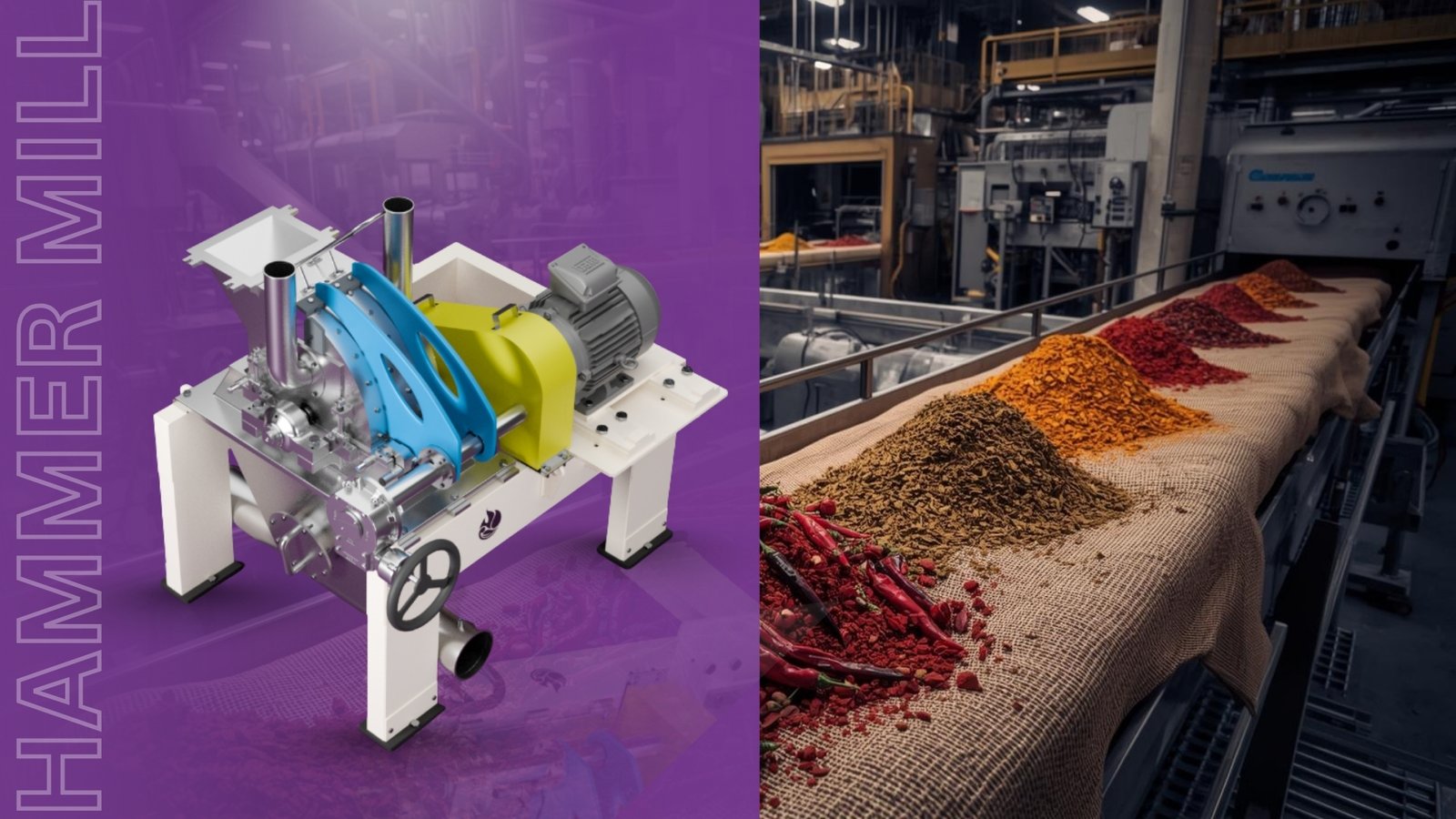
The 24 hour spare parts delivery promised by leading suppliers ensures maintenance doesn’t delay production. Quick access to hammer mill spare parts quick delivery minimizes downtime while maintaining safety standards.
Your Next Step: Create a criticality matrix for maintenance tasks. Rank by food safety impact to prioritize resources effectively.
Modernization Strategies for Aging Equipment
Older equipment doesn’t automatically mean contamination risk. Strategic modernization extends life while improving safety.
Food processing equipment modernization starts with assessment. Which components pose risks? What upgrades provide maximum benefit? Sometimes simple changes—better seals, improved covers—transform equipment performance.
Retrofit solutions offer cost-effective improvements. Mill retrofit services India can add features like improved sanitary design, better access doors, or enhanced cleaning capabilities. These targeted upgrades deliver new-equipment benefits at fraction of the cost.
The equipment trade in offer from progressive suppliers helps justify upgrades.
Trading old equipment reduces new equipment costs while ensuring old units are properly disposed or refurbished. MillNest Originals’ guaranteed refurbished mills provide upgraded equipment with warranty protection, balancing cost with confidence.
Your Next Step: Evaluate equipment age against contamination risk. Prioritize upgrades for highest-risk units that are otherwise mechanically sound.
Creating Your Contamination-Free Facility Roadmap
Immediate Actions for Quick Wins
Start with visible improvements that build momentum. Clean and organize existing facilities. Implement color-coding for different product zones. These simple changes demonstrate commitment while you plan larger investments.
Address obvious contamination paths immediately. Seal cracks where material accumulates. Improve lighting in inspection areas. Fix or replace damaged equipment covers. These repairs cost little but significantly reduce risk.
Enhance current cleaning procedures. Better tools, improved chemicals, more thorough training—these improvements deliver immediate results. Document these enhancements to show auditors your commitment to continuous improvement.
Your Next Step: List five contamination risks you can address this week. Start building momentum with quick, visible improvements.
Building Long-Term Contamination Control Systems
Systematic improvement requires strategic planning. Your roadmap should balance immediate needs with long-term vision.
Phase equipment upgrades based on risk and return. High-risk, high-volume equipment gets priority. Consider MillNest Originals certified equipment for critical applications where reliability matters most. Their rigorous testing and certification provide confidence in refurbished options.
Develop standard operating procedures that embed contamination control. Every task should consider food safety impact. From equipment startup to shutdown, contamination prevention becomes automatic, not an afterthought.
Invest in training and culture development. Equipment and procedures provide capability. People ensure execution. Regular training, clear expectations, and consistent reinforcement create a contamination-prevention culture.
Partner with suppliers who understand your journey. Companies offering comprehensive services—from mill upgrade consultation India to ongoing maintenance support—become valuable partners in your contamination control journey.
Your Next Step: Create a three-year contamination control roadmap. Include equipment upgrades, system improvements, and training initiatives with specific timelines.
Conclusion: Your Path to Contamination-Free Excellence
Building a contamination-free spice processing facility isn’t a destination—it’s an ongoing journey of continuous improvement. The strategies outlined here provide your roadmap, but success requires commitment to implementation.
Start by honestly assessing your current state. Where are your vulnerabilities? Which products pose the highest risk? What customer requirements must you meet? This baseline guides all subsequent decisions.
Modern cross-contamination free food machinery provides the foundation, but equipment alone doesn’t ensure safety. You need integrated systems—proper layout, validated procedures, preventive maintenance, and committed people—working together.
The investment required might seem daunting, but consider the alternatives. One contamination incident can destroy years of reputation building. Regulatory violations bring fines and shutdowns. Lost customer confidence rarely returns. Prevention costs far less than correction.
Smart processors leverage every available resource. Certified refurbished food processing equipment provides capability at reduced cost. AMC for grinding mills ensures consistent performance. Mill retrofit services India modernize existing equipment. These options make contamination control achievable regardless of budget constraints.
Take action today:
- Conduct a contamination risk assessment
- Prioritize improvements based on risk and impact
- Explore equipment upgrade and refurbishment options
- Develop implementation timelines with clear milestones
- Engage partners who support your food safety journey
Remember, companies like MillNest have supported hundreds of processors in achieving contamination-free operations. Their combination of equipment expertise, refurbishment capabilities, and ongoing support helps facilities progress from basic compliance to industry leadership.
Your customers trust you with their safety. Regulators expect consistent compliance. Your brand depends on unwavering quality. Building contamination-free operations isn’t optional—it’s essential for sustainable success.
Start today. Build systematically. Achieve excellence.
For more insights on hygienic processing solutions, visit www.millnest.com and explore how #MillNestAcademy helps processors achieve contamination-free operations.
#MillNestOriginals #TechTuesdayMillNest #FoodProcessing #SpiceIndustry #FoodSafety #HACCP #FoodTechIndia