For many ambitious food brands, the journey from a successful pilot batch to a high-volume commercial product is the most dangerous phase of the business lifecycle. It is often referred to as the “Valley of Death” in manufacturing.
The challenge is simple but brutal: What works at a rate of 50 kg per day rarely works the same way at 5 tons per day.
Without Scale-Up Readiness built into your initial engineering, the transition to mass production often requires a complete—and incredibly expensive—plant redesign. At Millnest, a premier food processing equipment manufacturer, we specialize in helping brands “grow without the glow-down.” By utilizing modular designs and future-ready layouts, we ensure your expansion is a seamless evolution, not a chaotic overhaul.
The Common Pitfalls of Scaling Up
Most manufacturers treat scaling as a linear problem: “I just need a bigger version of the machine I have now.” This logic fails because material behavior changes at scale.
1. The “Heat” Problem in Large Batches
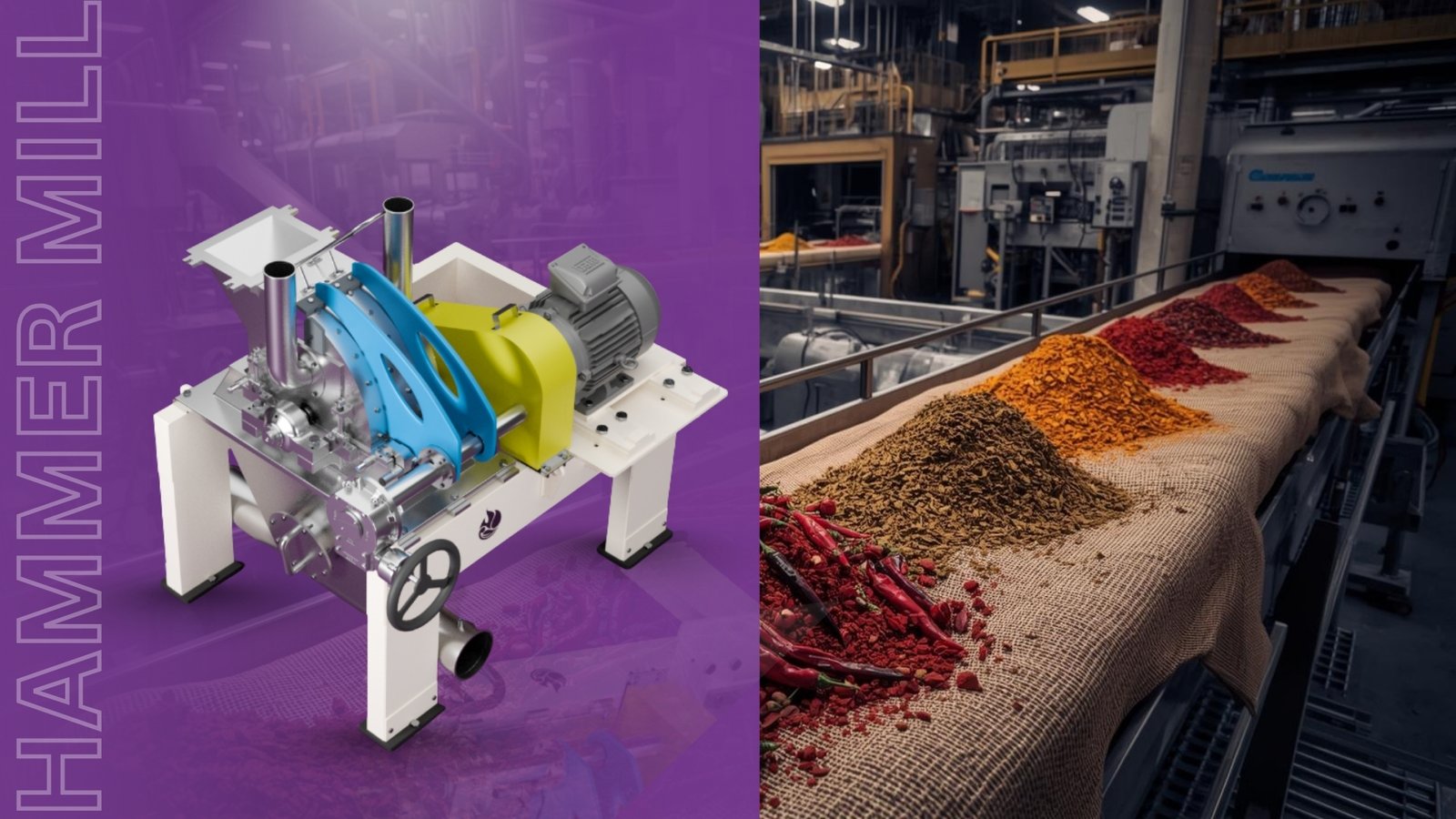
In a pilot setup, heat dissipation is easy. In a commercial-scale grinder, the volume-to-surface-area ratio changes. Large batches generate significantly more frictional heat, which can cook your ingredients or evaporate volatile oils if the machine isn’t designed for energy efficient food processing.
2. The Bottleneck Effect
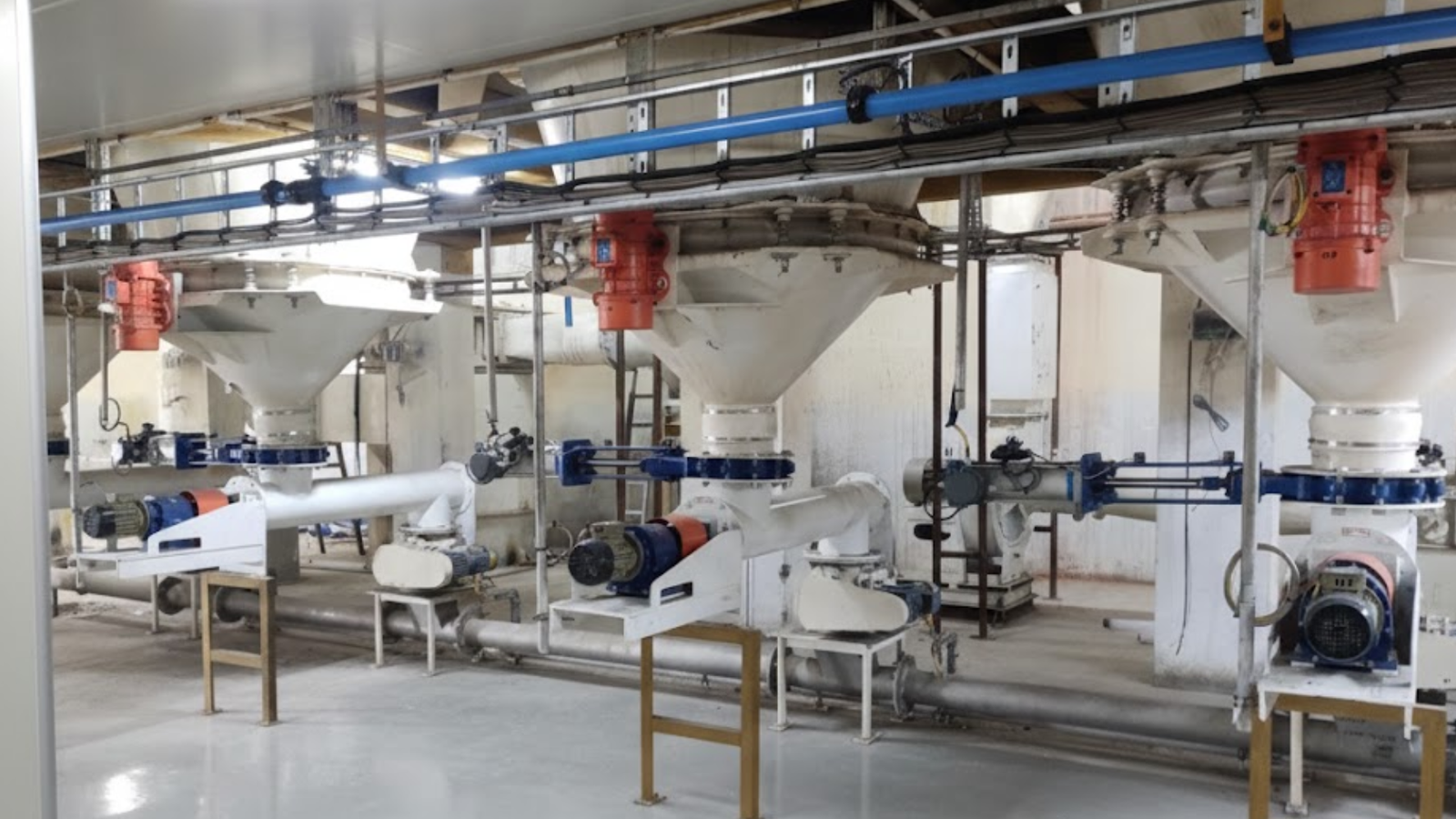
A larger mixer is useless if your manual feeding process can’t keep up with it. Scaling up requires a shift from manual handling to automated conveying systems. Without this, your expensive new machinery will sit idle while workers struggle to move raw materials.
3. The Footprint Trap
Many brands build their pilot lines in a way that uses all available floor space. When it comes time to add a second line or a larger cooling tower, there is nowhere to go. This leads to the “Costly Redesign” that kills profitability.
Pillar 1: Modular Food Processing Lines
The most effective way to ensure Scale-Up Readiness is through modularity. Instead of building a static, monolithic plant, Millnest designs “Plug-and-Play” modules.
How Modularity Works for You:
- Phase 1 (Pilot): We install the core grinding and mixing units with a base capacity suited for your current market.
- Phase 2 (Growth): As your demand increases, we “plug in” additional modules—such as secondary sifting units, automated batching systems, or high-speed packaging interfaces—without stopping your existing production for months.
- Phase 3 (Enterprise): The system is already designed to integrate with central PLC (Programmable Logic Controller) systems for full-scale factory automation
Pillar 2: Scalable Grinding and Mixing Equipment
As a specialized food processing equipment manufacturer, Millnest engineers machines that maintain “Product Integrity” regardless of size.
Consistency via Product Behaviour–Based Processing
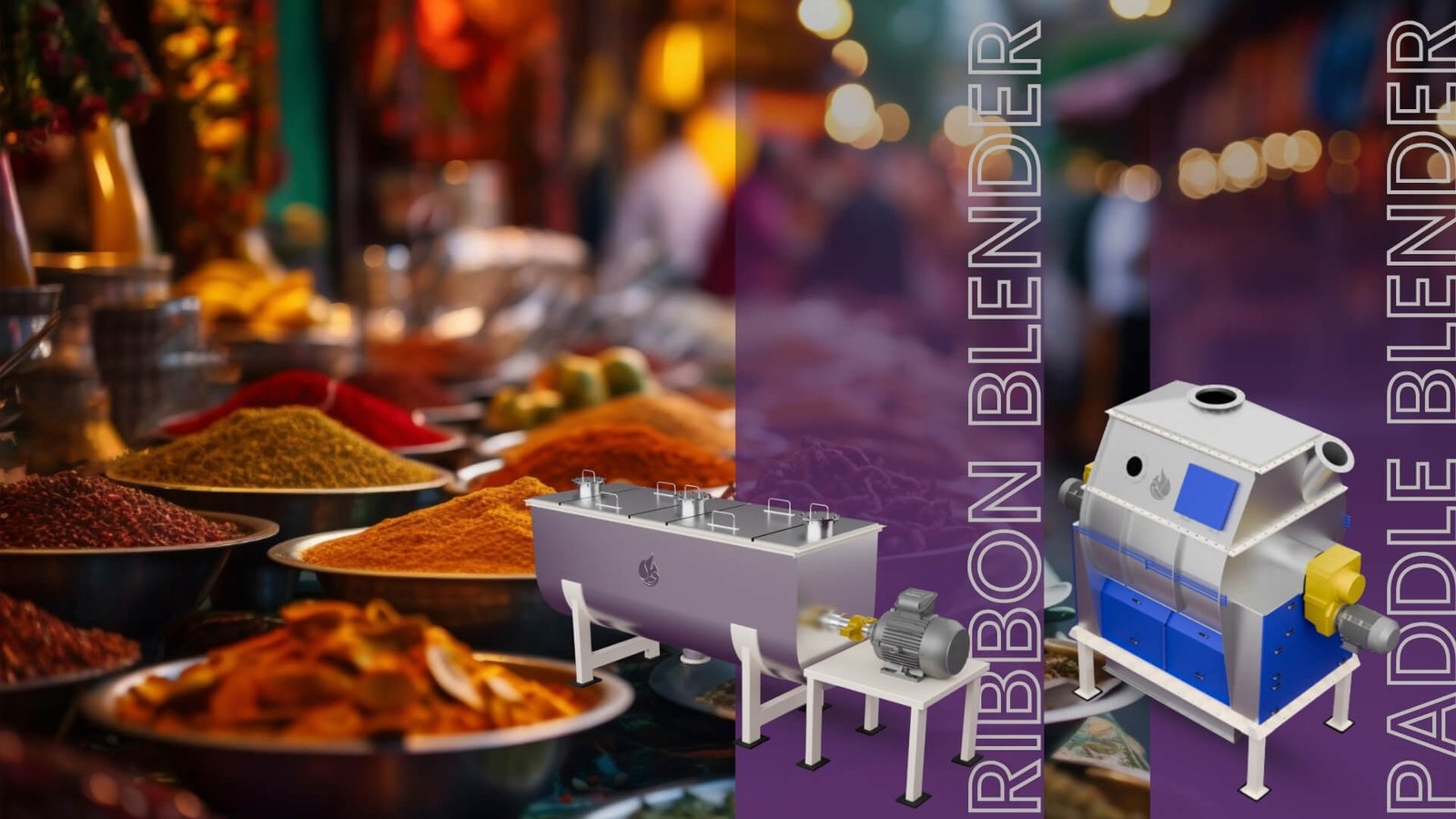
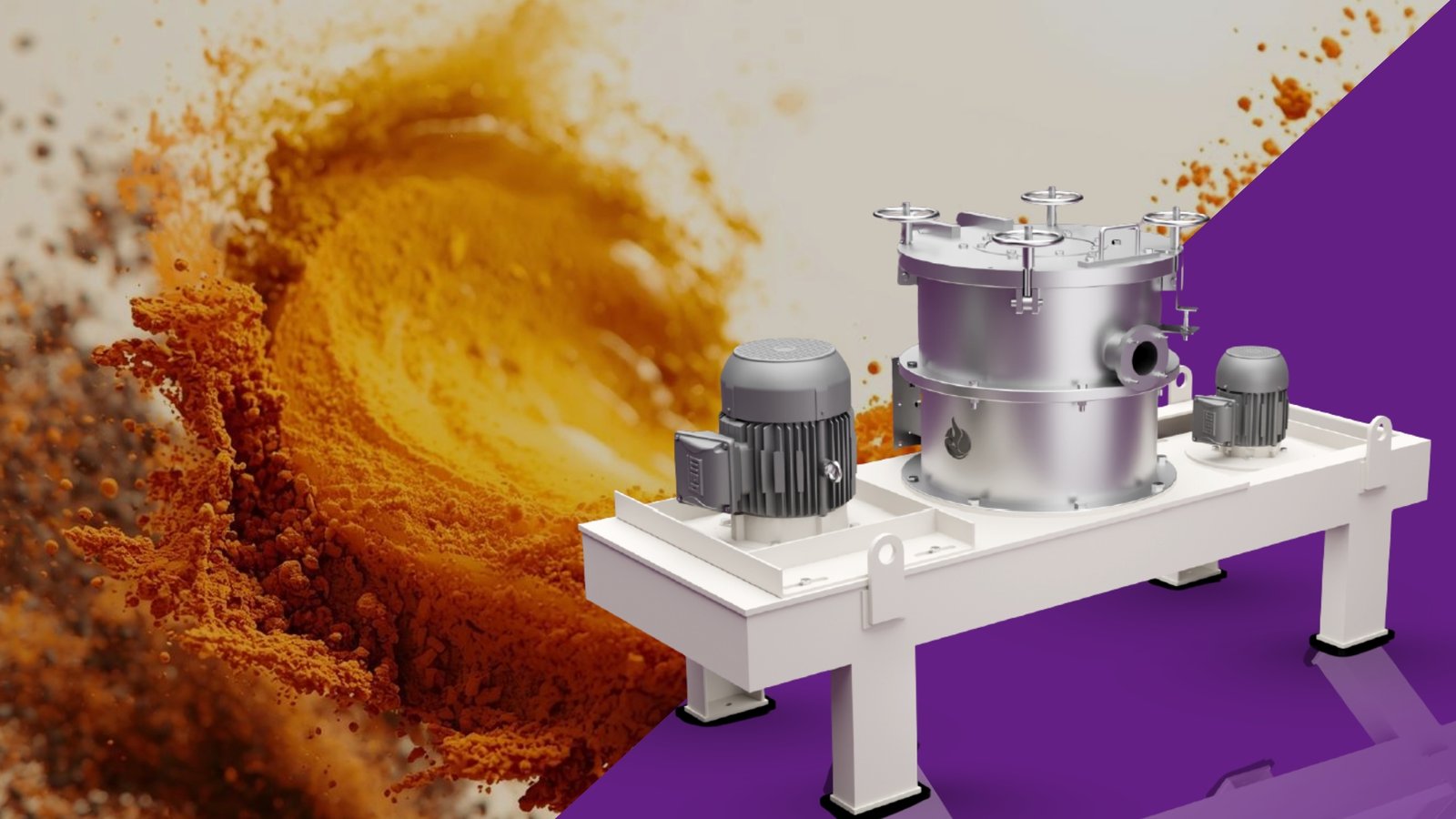
Whether you are using our Air Classifying Mill (MACM) or a high-capacity Ribbon Blender, we use the same processing physics across our entire range. This means the “taste profile” and “particle size distribution” you perfected in the pilot phase will be identical in the commercial phase.
Energy Efficiency at Scale
Scaling up often leads to skyrocketing utility bills. Our energy efficient food processing solutions utilize Variable Frequency Drives (VFDs) and high-efficiency motors that ensure your power consumption per kilogram of product actually decreases as you scale up.
Pillar 3: Automated Conveying Systems
In a commercial plant, the “space between the machines” is as important as the machines themselves.
To achieve true Scale-Up Readiness, you must transition from “buckets and trolleys” to automated conveying systems.
- Pneumatic Conveying: For powders and spices, we use enclosed air-driven systems that prevent dust and contamination.
- Bucket Elevators & Screw Conveyors: For bulk grains or millets, these systems ensure a steady, regulated flow into your processing units, preventing the “surge-and-starve” cycle that damages machinery.
Pillar 4: Future-Ready Layouts
A “Future-Ready” layout is one that considers the “next five years,” not just the next five months. When Millnest acts as your EPC partner, we design your plant with:
- Expansion Alleys: Physical space reserved for a second or third production line.
- Utility Headroom: Electrical and air piping designed to handle double the current load.
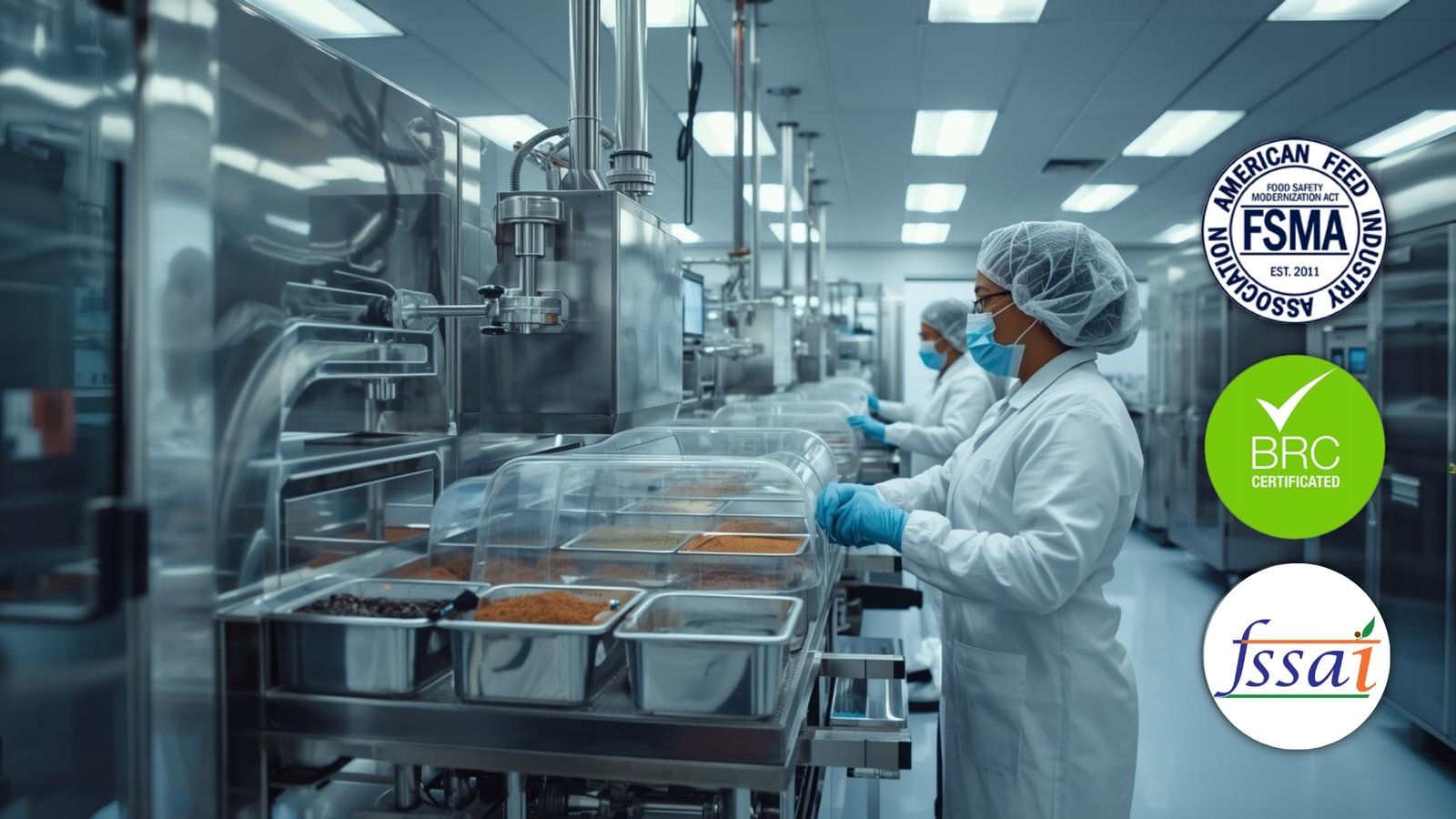
- Hygienic Zoning: Layouts that separate raw material handling from finished product zones, ensuring you meet international export standards (like HACCP or BRC) as you grow.
The Business Case: Why Scale-Up Readiness Saves Millions
Investing in a scalable setup from Day 1 might require a slightly higher initial investment, but the “Avoided Costs” are massive:
- No “Downtime” Expansion: You don’t have to shut down your business for six months to “re-do” the plant.
- Lower Operational Costs: Energy efficient food processing lowers your overheads from the start.
- Faster Time-to-Market: When a large retailer gives you a massive order, you can scale your capacity in weeks, not years.
Conclusion: Grow with Confidence
Scaling your food brand is a sign of success, but it shouldn’t be a source of stress. By partnering with a food processing equipment manufacturer that prioritizes modularity and engineering precision, you can ensure that your pilot-scale dreams successfully transition into commercial-scale reality.
At Millnest, we don’t just build machines; we build the infrastructure for your growth.
Are you ready to move from pilot to production? 🔗 Consult with Millnest today to audit your scale-up readiness: millnest.com